
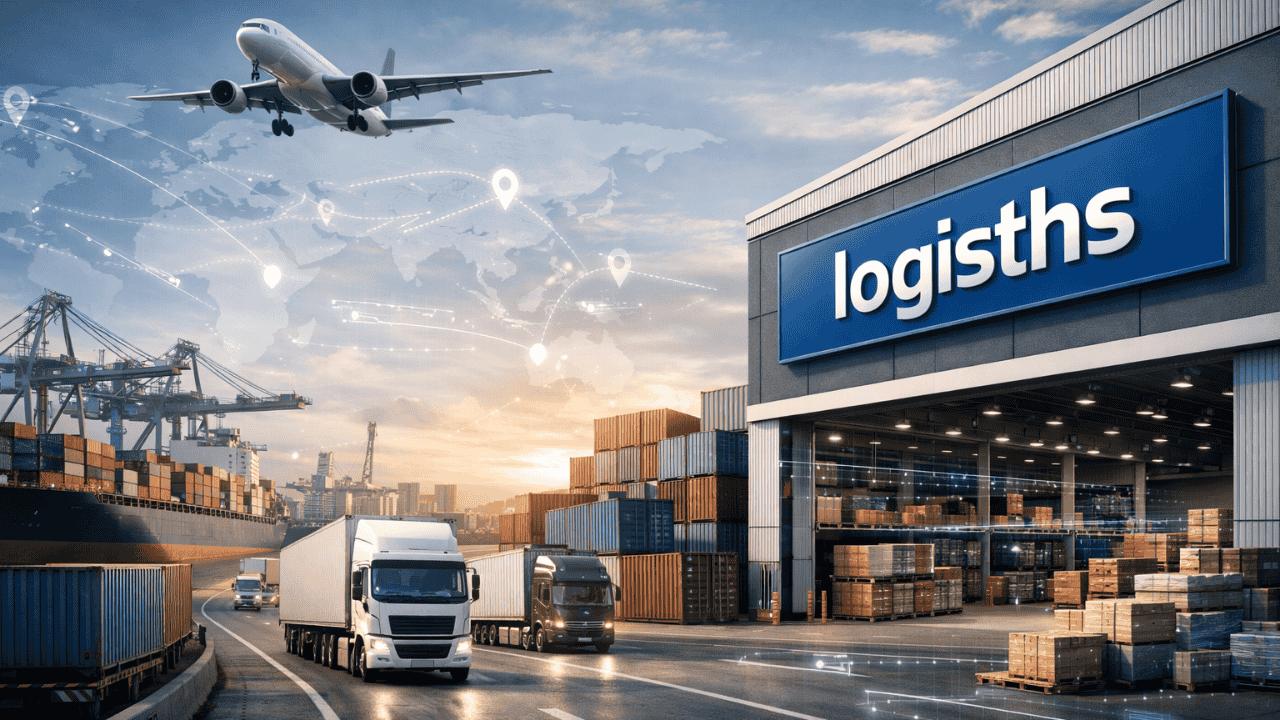
Logisths plays a silent yet powerful role in everyday life, shaping how goods move from producers to consumers across cities, countries, and continents. From the food on our tables to the devices in our hands, nearly everything we use has passed through a structured system of planning, transportation, storage, and delivery. In today’s fast-moving global economy, logisths is no longer just an operational function but a strategic driver of efficiency, customer satisfaction, and business growth.
As markets expand and customer expectations rise, logisths has evolved into a complex and dynamic discipline. It combines traditional practices with modern technology, data analysis, and sustainability efforts. This article explores logisths in depth, covering its meaning, core components, market significance, emerging trends, challenges, and future outlook, offering a complete informational guide for readers seeking clarity and insight.
The Concept and Meaning of Logisths
Logisths refers to the organized management of how goods, services, and related information flow from their point of origin to the final destination. The primary objective is to ensure that products reach the right place, at the right time, in the right condition, and at an optimal cost. While often confused with supply chain management, logisths focuses more directly on the execution side, dealing with physical movement and storage.
Historically, the idea behind logisths originated in military operations, where efficient coordination of supplies was essential for success. Over time, businesses adopted similar principles to manage trade and commerce. Today, logisths is central to industries such as manufacturing, retail, healthcare, agriculture, and eCommerce, supporting both domestic and international trade.
Core Functions That Define Logisths Operations
Logisths is built on several interconnected functions that work together to create smooth operations. Each function contributes to overall efficiency and reliability.
Transportation and Distribution Management
Transportation is one of the most visible aspects of logisths. It involves selecting the right modes of transport, such as road, rail, sea, or air, based on cost, speed, and cargo type. Efficient distribution planning ensures that goods are delivered safely and on schedule, minimizing delays and disruptions.
Warehousing and Storage Planning
Warehousing plays a critical role in logisths by providing safe storage for goods until they are needed. Proper warehouse design, layout, and inventory systems help businesses manage stock levels, reduce handling time, and prevent losses. Modern warehouses increasingly rely on automation and smart systems to improve accuracy.
Inventory and Order Fulfillment
Inventory management ensures that businesses maintain the right balance between supply and demand. Too much inventory increases costs, while too little leads to stockouts and lost sales. Logisths teams use forecasting and data analysis to manage inventory efficiently and fulfill customer orders accurately.
Information Flow and Coordination
Information is the backbone of logisths. Tracking systems, communication tools, and data platforms allow companies to monitor shipments, manage documentation, and coordinate across departments. Accurate information flow improves transparency and decision-making throughout the logistics network.
Economic Importance and Market Impact of Logisths
The global economy depends heavily on logisths to function smoothly. Businesses invest heavily in logistics services, infrastructure, and technology to remain competitive. The growth of international trade, urbanization, and digital commerce has further increased the importance of logisths across regions.
Efficient logisths systems reduce operational costs, support faster delivery times, and enhance customer trust. On a national level, strong logistics infrastructure contributes to economic development by enabling trade, attracting investment, and creating employment opportunities. Countries with advanced logistics networks often perform better in global trade competitiveness.
The Role of Logisths in ECommerce and Retail
ECommerce has transformed the expectations placed on logisths. Customers now demand faster deliveries, real-time tracking, and flexible return options. This shift has pushed logistics providers and retailers to rethink traditional models.
Logisths in eCommerce focuses heavily on last-mile delivery, which is the final step of delivering goods to the customer. Although this stage is often the most expensive and complex, it has a major impact on customer satisfaction. Efficient fulfillment centers, route optimization, and local distribution hubs have become essential strategies in modern retail logisths.
Technology and Innovation Shaping Logisths
Technology has become a driving force behind the evolution of logisths. Digital tools and automated systems are improving speed, accuracy, and visibility across logistics operations.
Automation and Smart Warehouses
Automation is transforming how warehouses operate. Robotics, automated storage systems, and smart sorting tools reduce manual labor and increase efficiency. These innovations allow logisths operations to handle higher volumes with fewer errors.
Data Analytics and Predictive Planning
Data analytics helps logisths professionals forecast demand, plan routes, and manage risks. By analyzing historical and real-time data, companies can anticipate disruptions, optimize resources, and improve overall performance.
Real-Time Tracking and Transparency
Modern tracking systems provide real-time visibility into shipments. Customers and businesses alike can monitor the status of goods, improving trust and reducing uncertainty. Transparency has become a key expectation in logisths services.
Sustainability and Green Practices in Logisths
Sustainability is now a major focus area in logisths. As environmental concerns grow, businesses are under pressure to reduce emissions and adopt eco-friendly practices. Green logisths aims to minimize environmental impact while maintaining efficiency.
Common sustainability initiatives include route optimization to reduce fuel consumption, use of alternative energy vehicles, eco-friendly packaging, and improved waste management. These efforts not only benefit the environment but also enhance brand reputation and long-term cost savings.
Challenges Facing the Logisths Industry
Despite its importance, logisths faces several ongoing challenges that require strategic planning and adaptability.
One major issue is rising operational costs, driven by fuel prices, labor shortages, and infrastructure constraints. Another challenge is managing complex regulations in international trade, including customs procedures and compliance requirements.
Disruptions caused by natural disasters, geopolitical tensions, or global health crises can also impact logisths networks. To address these risks, companies are focusing on resilience, flexibility, and diversified supply routes.
Future Outlook and Opportunities in Logisths
The future of logisths is shaped by innovation, collaboration, and adaptability. As global trade continues to evolve, logistics systems will become more integrated and technology-driven. Emerging trends such as digital platforms, smart infrastructure, and sustainable solutions will define the next phase of growth.
Businesses that invest in modern logisths strategies are better positioned to meet customer expectations and navigate uncertainties. The industry offers significant opportunities for innovation, job creation, and economic development across regions.
Why Logisths Matters for Businesses and Consumers
For businesses, logisths is a competitive advantage that directly influences profitability and customer loyalty. Efficient operations reduce costs and improve service quality. For consumers, logisths determines how quickly and reliably products are delivered, shaping overall purchasing experiences.
As expectations continue to rise, the importance of logisths will only grow. Understanding its role helps businesses make informed decisions and allows consumers to appreciate the complex systems working behind the scenes.
Conclusion
Logisths is far more than the movement of goods; it is a strategic system that connects producers, markets, and consumers across the world. From transportation and warehousing to technology and sustainability, logisths touches every stage of modern trade. As industries evolve and global challenges emerge, strong logistics systems remain essential for stability and growth. By embracing innovation and efficiency, logisths will continue to serve as the backbone of economic progress and everyday life.
Frequently Asked Questions
What does logisths mean in simple terms?
Logisths refers to the organized process of planning, moving, storing, and delivering goods efficiently from one place to another.
How is logisths different from supply chain management?
Supply chain management covers the entire production and sourcing process, while logisths focuses mainly on transportation, storage, and distribution activities.
Why is logisths important for eCommerce?
Logisths ensures fast delivery, accurate order fulfillment, and smooth returns, all of which are critical for customer satisfaction in eCommerce.
What are the main challenges in logisths today?
Common challenges include rising costs, labor shortages, regulatory complexity, and managing disruptions in global trade.
How will logisths change in the future?
Logisths is expected to become more digital, automated, and sustainable, with greater use of data, smart systems, and eco-friendly practices.
