
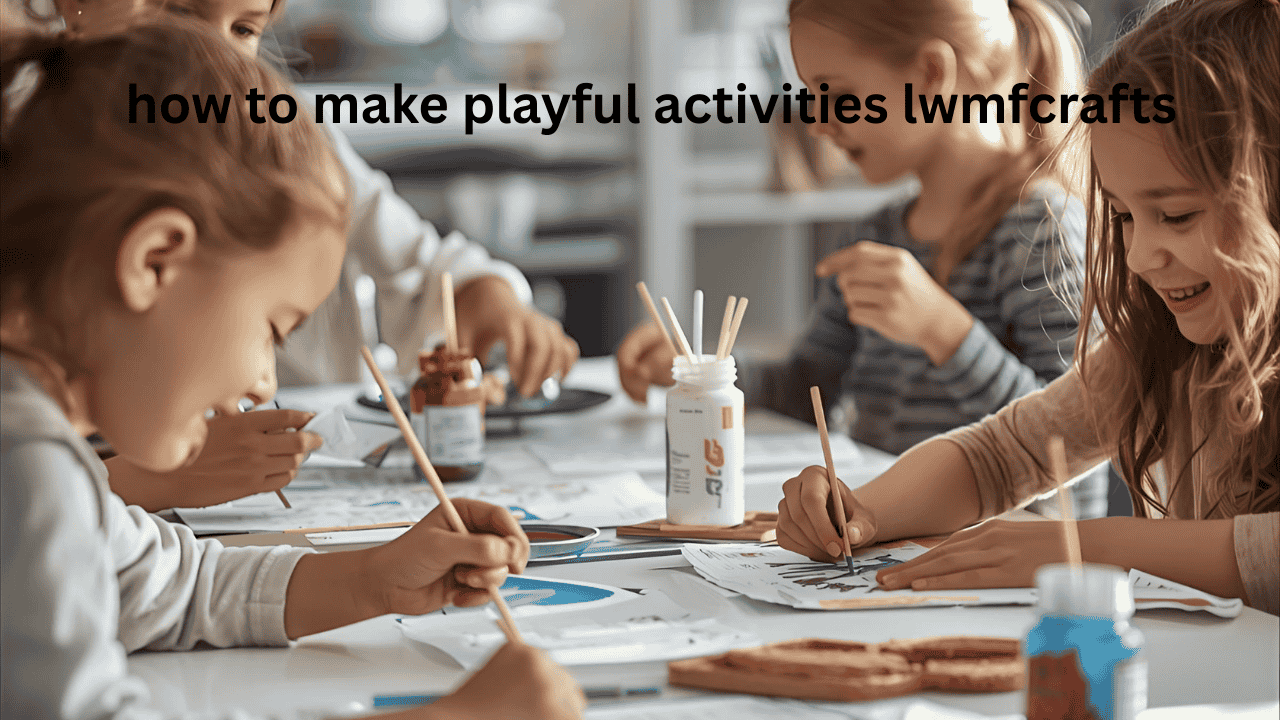
Creating meaningful, memorable, and playful experiences for children is easier than you think. In this guide we explain how to make playful activities lwmfcrafts style: simple projects, low-cost materials, and open-ended ideas that encourage imagination and learning. Whether you are a parent, teacher, or caregiver, these methods will help you set up activities that are fun, developmentally beneficial, and easy to run at home or in a classroom.
Why choose this approach for everyday play
When you learn how to make playful activities lwmfcrafts style, you choose accessibility and creativity over complicated setups. The emphasis is on materials you already have, minimal instructions so kids can explore, and outcomes that value process over perfection. This approach reduces pressure on adults to be perfect craft teachers and helps children focus on experimentation.
Key reasons this approach works:
- Encourages open-ended play where there is no single “right” outcome.
- Uses inexpensive or recycled materials, which keeps projects sustainable.
- Supports fine motor skills, problem solving, and imagination.
- Is adaptable to different age groups and settings.
Planning playful sessions that flow naturally
Successful playful crafting begins with simple planning. The goal is to set up an environment where children can start easily and then explore without constant adult intervention. Here are practical tips for planning when you want to learn how to make playful activities lwmfcrafts:
- Prepare a small selection of materials rather than a long list. Offer paper, glue, scissors, markers, and a few recycled items.
- Create clearly defined work stations to limit mess and allow children to choose activities.
- Offer one demonstration and then step back—show an example, not step-by-step instructions.
- Keep clean-up simple with trays, bins, and a towel for spills.
Materials and tools: keep it simple and safe
One of the greatest strengths of the lwmfcrafts approach is reliance on everyday items. Below is a compact materials list that covers dozens of playful activities:
- Paper plates, construction paper, and cardboard tubes
- Non-toxic glue and child-safe scissors
- Washable paints, markers, and crayons
- Recycled containers, bottle caps, and fabric scraps
- Natural items like leaves, twigs, and stones (for nature-inspired projects)
Learning how to make playful activities lwmfcrafts means choosing items that are safe, inexpensive, and versatile. Avoid small parts for very young children and make sure paints and adhesives are labeled non-toxic.
Setting up for different age groups
- Toddlers: larger crayons, finger paints, and big shapes to explore.
- Preschoolers: scissors with rounded tips, glue sticks, and simple templates.
- School-age children: more complex recyclable materials, basic hand tools under supervision, and opportunities for storytelling or problem-solving challenges.
Simple project ideas to get started
Here are practical project templates you can reuse. Each one is designed so the child can take the idea in any direction they want — a core principle of how to make playful activities lwmfcrafts projects.
- Paper Plate Animals
- Materials: paper plates, paint or markers, construction paper for ears and features.
- Idea: Paint or color the plate, cut shapes for ears, tails, or beaks, and glue them on to form an animal.
- Nature Collage
- Materials: collected leaves, flowers, twigs, paper, glue.
- Idea: Go on a short walk to collect items, then arrange them into a picture or pattern on paper.
- Recycled Robot Building
- Materials: cardboard boxes, bottle caps, straws, tape.
- Idea: Encourage children to imagine a robot’s function and build a body and accessories from recycled parts.
- Homemade Playdough Play
- Materials: simple pantry ingredients or a premade dough.
- Idea: Use cutters, sticks, and small toys to invent scenes and characters.
Each of these projects can be adapted and scaled when you want to explore how to make playful activities lwmfcrafts with different materials or time limits.
Step-by-step approach for a successful session
If you prefer a structured flow, follow this simple sequence to run a playful craft session that respects children’s curiosity:
- Invitation: Briefly introduce the activity with a warm invitation.
- Demonstration: Show one quick example—no more than a minute.
- Exploration: Give children time to experiment and create.
- Sharing: Offer optional time to show what they made and tell a story about it.
- Reflection and tidy: Encourage helping with clean-up and praise effort.
This rhythm helps children feel guided without feeling directed, which is central to how to make playful activities lwmfcrafts work in real life.
Teaching through play: learning outcomes and observations
One of the most rewarding parts of these activities is noticing the learning that happens naturally. When you regularly use the lwmfcrafts approach, you will observe:
- Improved fine motor control from cutting, folding, and assembling.
- Enhanced vocabulary as children describe their creations.
- Greater patience and concentration during focused play.
- Creative problem-solving when materials don’t behave as expected.
If you want to document progress, take photos over time or keep a simple journal of notable moments rather than grading outcomes. The spirit of how to make playful activities lwmfcrafts is to celebrate exploration rather than measure perfection.
Troubleshooting common challenges
Even the simplest activities come with hiccups. Here are quick fixes for problems that come up often:
- Short attention spans: offer mini-activities that take 5–15 minutes.
- Too messy: provide aprons, use trays, and choose washable materials.
- Lack of ideas: have a “prompt box” with picture cues or simple cards to spark imagination.
- Material scarcity: rotate supplies and use household alternatives like old magazines or fabric scraps.
These practical adjustments keep the process enjoyable and sustainable when you consistently practice how to make playful activities lwmfcrafts.
Promoting sustainability and creativity together
A meaningful feature of this approach is teaching children to value resources. Encourage recycling and upcycling as part of the creative routine:
- Create a “craft treasure box” of cleaned recyclable items.
- Challenge kids to build something from only natural or recycled materials.
- Teach simple repair and reinforcement techniques using tape and glue to extend playtime.
These small habits instill resourcefulness, which complements the creative goals of how to make playful activities lwmfcrafts.
Encouraging family and community participation
Crafts are richer when shared. Consider inviting siblings, grandparents, or neighbors to join one session. Group activities can create new opportunities for storytelling, role-modeling, and cooperative problem-solving. Hosting a small craft swap or community table where families bring and share supplies can extend the reach of how to make playful activities lwmfcrafts beyond your immediate household.
Conclusion: start small, play big
Learning how to make playful activities lwmfcrafts is less about the perfect finished product and more about creating the space for curiosity, creativity, and connection. Start with a few simple materials, offer gentle invitations, and let children lead. Over time you will notice stronger fine motor skills, richer storytelling, and more joyful, collaborative moments. Keep it flexible, keep it sustainable, and remember that the best outcomes often arise from the smallest beginnings. If you bring curiosity and patience to the process, you will discover that how to make playful activities lwmfcrafts can transform ordinary afternoons into memorable learning adventures.
