
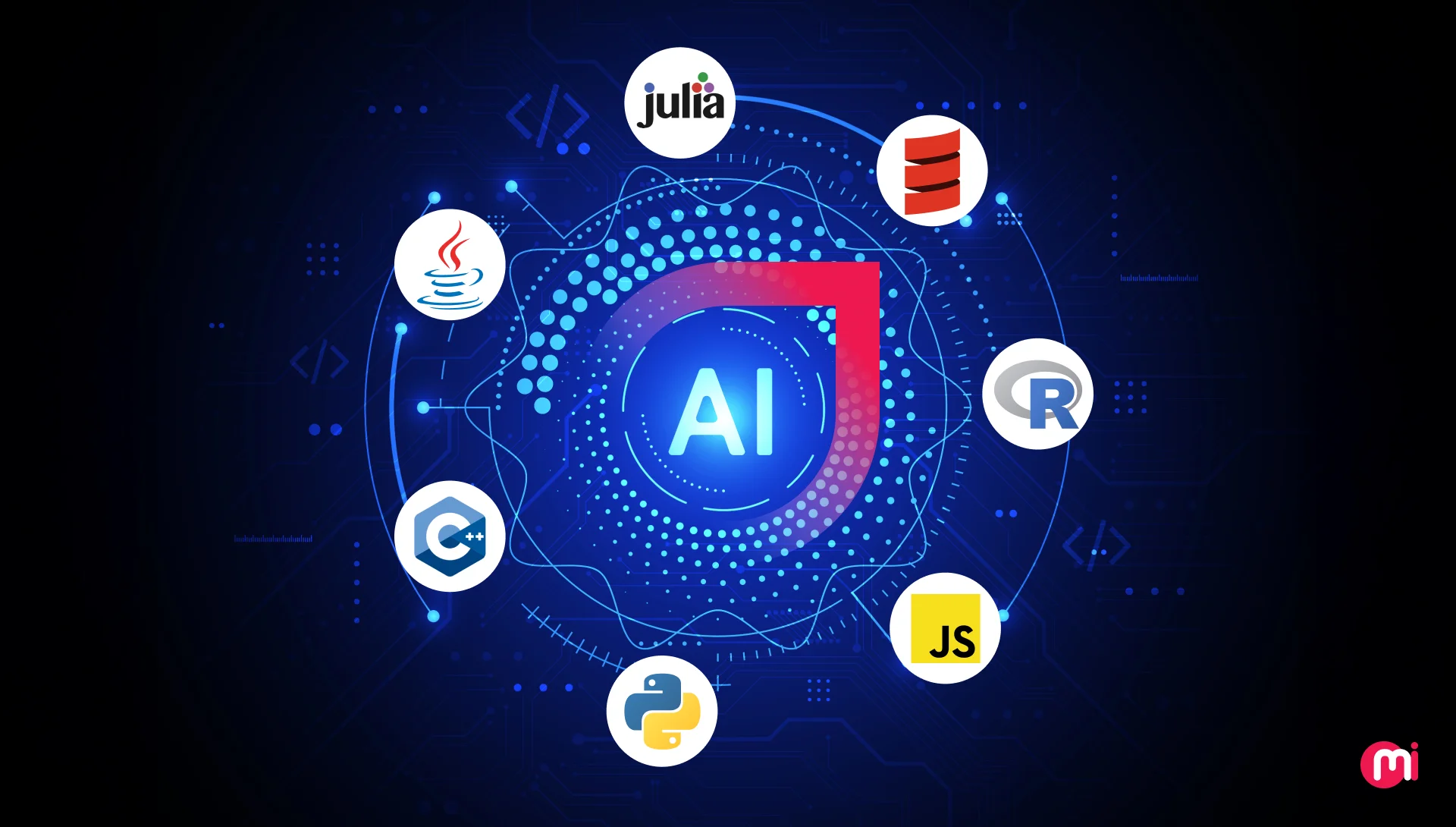
AI language has become a central part of modern technology, changing how people interact with machines and digital systems. From chatbots to translation tools, AI language allows computers to understand, process, and respond to human communication in a natural way. What once required human involvement can now be handled by intelligent systems that interpret meaning, tone, and intent. As technology continues to evolve, AI language is becoming more accurate and widely used across different platforms.
what AI language means in simple terms
AI language refers to the ability of machines to understand and generate human language. It is built on systems that analyze words, sentences, and context to produce meaningful responses. Instead of just recognizing keywords, AI language focuses on understanding the intent behind communication.
This capability is powered by techniques such as natural language processing and machine learning. These systems are trained on large amounts of text data, allowing them to learn patterns in language. Over time, AI language becomes better at handling conversations, answering questions, and even generating content.
how AI language works behind the scenes
AI language systems follow a structured process that involves input, analysis, and output. When a user enters text or speaks, the system first converts it into a format it can process. It then analyzes the structure, meaning, and context of the input before generating a response.
The learning process is based on training data, which includes books, articles, and conversations. This helps the AI language system understand grammar, tone, and context. As the system processes more data, it improves its ability to respond accurately. This continuous learning makes AI language more effective over time.
key components that power AI language systems
AI language systems rely on several components working together to produce accurate and meaningful results. Each part plays a role in ensuring smooth communication between humans and machines.
- Language models that understand and generate text
- Data processing systems that clean and organize input
- Algorithms that identify patterns and relationships in language
- Context analysis tools that interpret meaning beyond words
- Feedback systems that improve performance over time
These components allow AI language to handle complex communication tasks. Without them, the system would struggle to understand context or provide relevant responses.
real world applications of AI language
AI language is used in many areas, often in ways that people interact with daily. Its ability to process and generate human language makes it valuable across different industries.
In customer service, AI language powers chat systems that handle queries instantly. In education, it helps create tools that assist students with learning and writing. Translation services rely on AI language to convert text between different languages quickly. Content creation platforms also use AI language to generate articles, summaries, and suggestions.
These applications show how AI language is not limited to one purpose. It is a flexible tool that can adapt to different needs and environments.
benefits of AI language in modern communication
AI language offers several advantages that improve how people communicate with technology. One of the biggest benefits is speed, as systems can process and respond to input almost instantly. This reduces waiting time and improves user experience.
Another advantage is accessibility. AI language makes it easier for people to access information, regardless of language barriers. It also supports automation, allowing repetitive communication tasks to be handled without human effort. These benefits make AI language an important part of modern digital systems.
challenges and limitations of AI language
Despite its progress, AI language still faces challenges. One major issue is understanding context accurately, especially in complex or ambiguous situations. Systems can sometimes misinterpret meaning, leading to incorrect responses.
Another challenge is bias in training data. If the data used to train AI language contains biases, the system may reflect them in its output. There are also concerns about over-reliance, as users may depend too heavily on automated responses. These limitations highlight the need for continuous improvement and careful use of AI language.
future trends shaping AI language development
AI language is expected to become more advanced and integrated into everyday systems. One key trend is the improvement of conversational abilities, making interactions feel more natural and human-like. Systems are also becoming better at understanding emotions and tone, which adds depth to communication.
Another trend is the integration of AI language into more devices and platforms. From smartphones to smart home systems, its presence is expanding rapidly. There is also a growing focus on making AI language more accurate and transparent, so users can trust the information it provides. These trends indicate that AI language will continue to evolve and expand its role.
why AI language is important in today’s world
AI language plays a crucial role in bridging the gap between humans and machines. It allows people to interact with technology using natural communication instead of complex commands. This makes systems more user-friendly and accessible to a wider audience.
As digital systems become more advanced, the need for effective communication increases. AI language provides a solution by enabling machines to understand and respond to human input. Its importance will continue to grow as technology becomes more integrated into daily life.
conclusion
AI language has transformed how people interact with technology, making communication more natural and efficient. It combines data, algorithms, and learning processes to understand and generate human language. While it offers clear benefits such as speed and accessibility, it also faces challenges that require ongoing improvement. The future of AI language looks promising, with advancements that will make systems more accurate and responsive. As it continues to develop, it will remain a key part of modern technology and communication.
faqs
- what is AI language in simple words
AI language is the ability of machines to understand and generate human language for communication. - where is AI language used
It is used in chat systems, translation tools, education platforms, and content creation systems. - what are the benefits of AI language
The benefits include faster communication, improved accessibility, and automation of repetitive tasks. - what are the challenges of AI language
Challenges include understanding context, handling bias, and ensuring accurate responses. - what is the future of AI language
The future includes more natural conversations, better accuracy, and wider integration into digital systems.
