
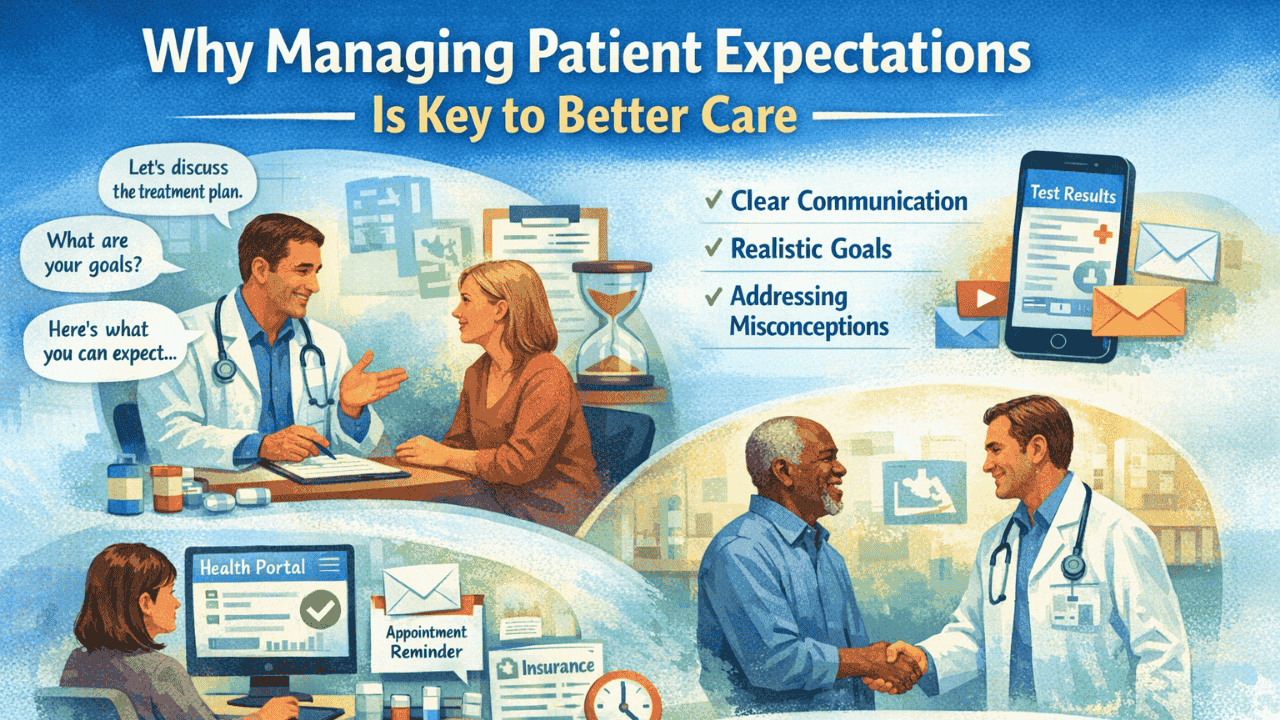
Healthcare is built on trust. When a patient walks into a clinic or hospital, they bring with them a set of hopes, fears, and assumptions about what will happen next. These preconceived notions often do not align with medical realities. If a provider fails to address these gaps early, the result is often frustration and dissatisfaction, even if the clinical care is excellent. Managing patient expectations is not just about avoiding complaints. It is a fundamental component of delivering high-quality care that leads to better outcomes and stronger relationships between providers and those they treat.
The Importance of Clear Communication
The root of most unmet expectations is poor communication. Patients are not medical experts. They rely on their doctors and nurses to translate complex biological processes into understandable terms. When a provider uses jargon or rushes through an explanation, the patient often fills in the blanks with their own assumptions. This is where the disconnect begins.
Clear communication sets the baseline for the entire patient journey. It involves listening as much as speaking. A provider must understand what the patient believes is wrong and what they hope to achieve. Once this baseline is established, the provider can gently correct misunderstandings and outline a clear path forward. This transparency builds trust. When a patient feels heard and understands the “why” behind a treatment plan, they are more likely to adhere to it. They become partners in their own care rather than passive recipients.
Read also: use zealpozold as a Daily Wellness Decision, Not a Shortcut Fi
Setting Realistic Goals
One of the hardest parts of healthcare is delivering news that falls short of a “quick fix.” We live in a culture of instant gratification, and patients often expect immediate relief from pain or illness. However, healing takes time, and some conditions require long-term management rather than a cure.
Providers must be proactive in setting realistic goals from the very first appointment. If a recovery will take six weeks, telling the patient it “won’t take long” sets them up for disappointment. Instead, outlining specific milestones helps the patient visualize the road ahead. For example, a physical therapist might explain that while pain may persist for a month, mobility should improve by week two.
This honest approach manages the emotional aspect of recovery. When a patient knows what to expect, they are less likely to feel anxious or discouraged when progress feels slow. They understand that the timeline is normal, not a sign that the treatment is failing.
Addressing Misconceptions
The internet has drastically changed how patients view medicine. Many people arrive at an appointment having already diagnosed themselves based on a quick search. While being informed is positive, online information often lacks context and can lead to unnecessary fear or unrealistic hope for miracle cures.
Addressing these misconceptions requires patience and empathy. Dismissing a patient’s research can make them feel defensive. A better approach involves acknowledging their effort to understand their health and then guiding them toward more accurate information.
This also applies to the logistics of care. Patients often underestimate the complexity of the healthcare system itself. They may expect test results in an hour or assume insurance will cover every procedure automatically. Explaining these administrative realities upfront prevents anger later. Letting a patient know that a referral might take a week to process manages their wait time expectations effectively.
How Technology Supports Expectation Management
Modern healthcare tools play a significant role in keeping patients informed and aligned with their care plans. Technology bridges the gap between appointments, ensuring that communication remains consistent.
Digital portals allow patients to access their records, view test results, and read after-visit summaries. This accessibility reinforces what was discussed during the visit. If a patient forgets a detail about their medication, they can check their portal rather than guessing.
Automated reminders and educational materials sent via email or text keep patients on track. These touchpoints serve as gentle nudges, reminding them of the timeline and steps involved in their care.
Furthermore, integrating robust patient management software into the practice workflow ensures that every member of the staff is on the same page regarding a patient’s status. When the front desk, nurses, and doctors all have access to the same notes and communication history, the patient receives consistent messages. This consistency is vital. Nothing erodes trust faster than receiving conflicting information from two different people within the same office.
Building a Partnership for Better Health
Ultimately, managing expectations is about respect. It respects the patient’s right to know the truth about their health and the limitations of medical intervention. It respects their time and their financial investment. When providers prioritize this level of honesty, they create an environment where healing can thrive.
A patient who knows what to expect is a patient who is prepared to handle challenges. They are less likely to abandon treatment when things get tough. They are more satisfied with their care because the outcome matches the picture painted by their provider. By mastering the art of setting expectations, healthcare professionals do not just treat conditions; they empower people to navigate their health journeys with confidence and clarity.
