
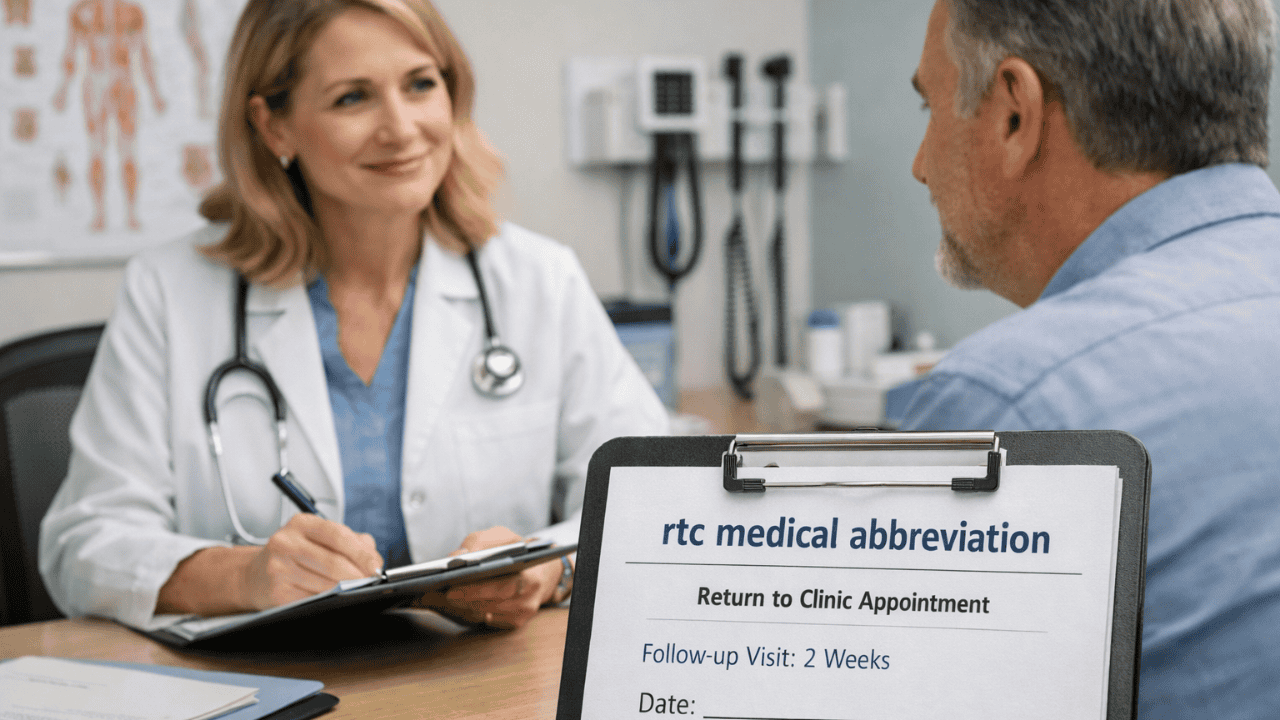
The term rtc medical abbreviation is frequently encountered in medical records, prescriptions, discharge summaries, and outpatient notes, yet many patients and even non-clinical professionals are unsure about its exact meaning. Medical abbreviations are designed to save time and standardize communication, but without proper understanding, they can also create confusion. The rtc medical abbreviation is a clear example of how a short term can carry significant importance in patient care, follow-up planning, and healthcare coordination.
In this detailed informational guide, the focus is on explaining the rtc medical abbreviation, how it is used in different medical settings, why it matters, and how patients and caregivers should interpret it. This article is structured to provide clarity, context, and practical understanding while maintaining a natural and human-readable tone.
Understanding the meaning of rtc medical abbreviation
In most healthcare settings, the rtc medical abbreviation stands for return to clinic. This instruction is commonly written by physicians, nurses, and other healthcare providers to indicate that a patient should come back to the healthcare facility for a follow-up visit.
When a provider writes rtc in a patient’s medical note, it usually refers to a planned or recommended future appointment. The timing of the return may be specified, such as in one week, two weeks, or three months, depending on the medical condition being monitored.
The rtc medical abbreviation is widely used in outpatient clinics, hospitals, and specialty practices. Its primary purpose is to ensure continuity of care by reminding both the healthcare team and the patient that follow-up is necessary.
Why rtc medical abbreviation is commonly used in medical records
Medical documentation often requires efficiency and consistency. Writing full phrases repeatedly can slow down workflow, especially in busy clinical environments. The rtc medical abbreviation allows healthcare professionals to communicate essential follow-up instructions quickly and clearly.
Some key reasons for its widespread use include:
- It saves time during documentation
- It reduces repetitive wording in patient charts
- It creates standardized follow-up instructions
- It helps healthcare teams coordinate ongoing care
Because of these advantages, the rtc medical abbreviation has become a routine part of medical charting across various healthcare systems.
Common situations where rtc medical abbreviation appears
The rtc medical abbreviation can appear in many different clinical scenarios. Understanding the context in which it is used helps patients interpret their care instructions more accurately.
Outpatient follow-up visits
In outpatient clinics, rtc is often used after an initial consultation or treatment. For example, a patient treated for high blood pressure may be instructed to rtc in four weeks to review lab results and adjust medication if needed.
Post-procedure or post-surgery care
After minor procedures or surgeries, providers frequently use the rtc medical abbreviation to schedule follow-up appointments. These visits may be necessary to remove stitches, assess healing, or monitor recovery progress.
Chronic disease management
Patients with long-term conditions such as diabetes, asthma, or arthritis often see rtc written in their records. Regular return visits are essential for monitoring symptoms, adjusting treatment plans, and preventing complications.
As-needed follow-up instructions
Sometimes rtc is combined with additional notes that indicate flexibility. In these cases, the instruction may imply that the patient should return if symptoms worsen or do not improve as expected.
Alternative meanings of rtc medical abbreviation in healthcare
While return to clinic is the most common meaning, the rtc medical abbreviation can have other interpretations depending on the healthcare context. Understanding these variations is important, especially for readers researching medical terminology.
Residential treatment center
In mental health and behavioral healthcare, rtc medical abbreviation may refer to a residential treatment center. This meaning is entirely different from return to clinic and is typically used when discussing inpatient or live-in treatment programs for mental health conditions, substance use disorders, or behavioral challenges.
In this context, rtc describes a type of facility rather than a follow-up instruction. The surrounding text usually makes the meaning clear, such as discussions about admission, length of stay, or therapy programs.
Context determines the correct interpretation
Because rtc can have more than one meaning, context is critical. In medical notes related to appointments and follow-up care, rtc medical abbreviation almost always means return to clinic. In mental health facility discussions, it is more likely to mean residential treatment center.
Importance of rtc medical abbreviation for patients
From a patient perspective, understanding the rtc medical abbreviation is essential for active participation in healthcare. Missing or ignoring follow-up instructions can lead to delayed diagnoses, unmanaged conditions, or preventable complications.
When patients see rtc in their paperwork, it signals that ongoing evaluation is part of their care plan. It also helps patients plan their schedules, arrange transportation, and prepare questions for their next visit.
Key benefits for patients include:
- Clear expectations for follow-up care
- Better adherence to treatment plans
- Improved communication with healthcare providers
- Reduced risk of missed appointments
Understanding the rtc medical abbreviation empowers patients to take responsibility for their health outcomes.
How healthcare providers use rtc medical abbreviation responsibly
Although abbreviations are useful, healthcare providers are increasingly encouraged to ensure patients understand their medical instructions. The rtc medical abbreviation should ideally be explained verbally or included in patient-friendly discharge summaries.
Clear communication practices include:
- Explaining what rtc means before the patient leaves
- Providing a specific timeframe for return visits
- Including appointment details when possible
- Encouraging patients to ask questions about follow-up care
These practices help bridge the gap between clinical shorthand and patient comprehension.
Differences between rtc and other follow-up terms
The rtc medical abbreviation is sometimes confused with other follow-up-related terms. While they may seem similar, they can carry different implications.
Rtc specifically indicates a return visit to a healthcare facility. Other terms may refer to follow-up communication, test results, or referrals rather than an in-person clinic visit.
Understanding these distinctions helps ensure patients respond appropriately to their care instructions.
How rtc medical abbreviation supports continuity of care
Continuity of care is a cornerstone of effective healthcare. The rtc medical abbreviation plays a small but important role in maintaining that continuity by clearly marking the need for future evaluation.
When used consistently, rtc helps healthcare teams track patient progress over time. It also creates a documented plan that can be referenced by different providers involved in the patient’s care.
This continuity leads to better clinical outcomes, fewer gaps in treatment, and improved patient satisfaction.
Potential confusion and how to avoid it
Despite its usefulness, the rtc medical abbreviation can still be misunderstood. Patients unfamiliar with medical shorthand may overlook its importance or misinterpret its meaning.
To avoid confusion:
- Patients should ask for clarification whenever they see unfamiliar abbreviations
- Healthcare providers should explain follow-up instructions clearly
- Written materials should use plain language alongside abbreviations
- Appointment reminders should reinforce the need to rtc
Clear communication benefits everyone involved in the care process.
Role of rtc medical abbreviation in modern healthcare documentation
As healthcare systems continue to adopt electronic medical records, standardized abbreviations like rtc remain relevant. They allow for efficient data entry while maintaining consistency across providers and departments.
However, there is also a growing emphasis on patient-centered documentation. This means balancing efficiency with clarity, ensuring that abbreviations such as rtc medical abbreviation do not become barriers to understanding.
Conclusion
The rtc medical abbreviation is a simple yet significant term in healthcare communication. Most commonly meaning return to clinic, it serves as a clear instruction for follow-up care and ongoing medical evaluation. While it can also refer to a residential treatment center in specific contexts, the intended meaning is usually easy to identify based on surrounding information.
Understanding the rtc medical abbreviation helps patients stay engaged in their care, follow treatment plans accurately, and avoid missed follow-up appointments. For healthcare providers, it remains a valuable tool for efficient documentation and continuity of care. Clear explanation and proper context ensure that this abbreviation supports, rather than complicates, the patient experience.
Frequently asked questions
What does rtc medical abbreviation usually mean?
The rtc medical abbreviation most commonly means return to clinic, indicating that a patient should come back for a follow-up visit.
Is rtc medical abbreviation only used by doctors?
No, the rtc medical abbreviation is used by various healthcare professionals, including nurses, physician assistants, and specialists.
Can rtc medical abbreviation have more than one meaning?
Yes, in some healthcare contexts it can also mean residential treatment center, especially in mental health discussions.
Should patients be concerned if they see rtc in their records?
Patients should not be concerned, but they should understand that rtc indicates the need for follow-up care and should clarify any details with their provider.
How can patients make sure they follow rtc instructions correctly?
Patients should ask about the timing, purpose, and scheduling of the return visit whenever they see the rtc medical abbreviation in their medical documents.
