
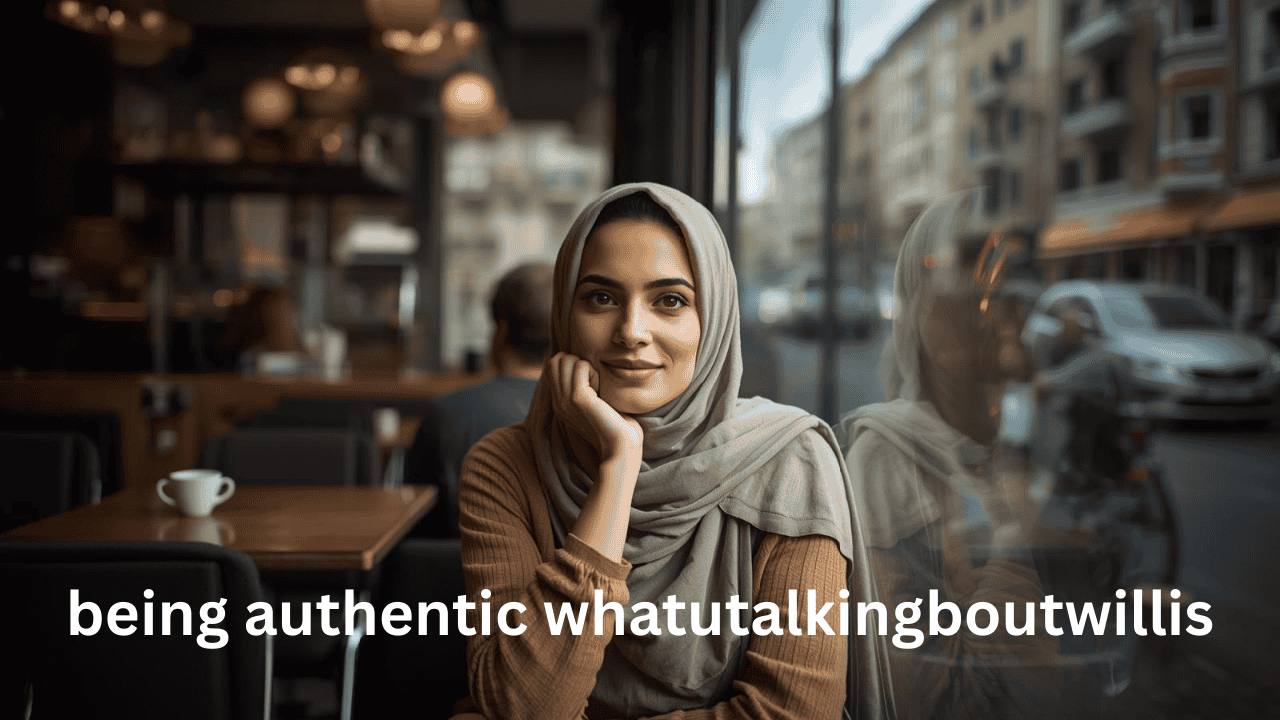
understanding the meaning behind being authentic whatutalkingboutwillis
The phrase being authentic whatutalkingboutwillis has grown into more than a catchy expression. It represents a mindset rooted in honesty, self-awareness, and the courage to live without pretending. In a time when people often feel pressured to conform, this concept encourages individuals to question what is real and what is simply performed for approval. At its core, being authentic whatutalkingboutwillis is about aligning thoughts, values, words, and actions in a way that feels genuine rather than forced.
Authenticity is not about being loud or rebellious for the sake of attention. Instead, it focuses on staying true to who you are, even when that truth does not perfectly fit social expectations. The idea behind being authentic whatutalkingboutwillis challenges the habit of wearing emotional masks and invites people to show up as they are, with strengths, flaws, and evolving beliefs.
the cultural and emotional roots of authenticity
To understand being authentic whatutalkingboutwillis, it helps to look at why authenticity resonates so strongly with people today. Modern culture is deeply influenced by digital platforms, where carefully edited versions of life are shared every day. Over time, this constant exposure can create confusion between what is real and what is staged.
Being authentic whatutalkingboutwillis responds to this confusion by reminding people that real life is imperfect, emotional, and sometimes uncomfortable. It draws from the idea that honesty builds stronger emotional foundations, both internally and in relationships with others. When people stop pretending, they often experience relief, clarity, and a stronger sense of identity.
This concept also reflects a cultural shift. Many individuals are tired of unrealistic standards and are seeking content, conversations, and communities that value sincerity over appearance. In that sense, being authentic whatutalkingboutwillis represents a collective desire for truth in a noisy and filtered world.
why being authentic matters in everyday life
Living authentically has practical benefits that go beyond philosophy. Being authentic whatutalkingboutwillis plays a direct role in mental and emotional well-being. When people suppress their true thoughts or feelings, stress and inner conflict tend to increase. Over time, this can lead to burnout, anxiety, and dissatisfaction.
Choosing authenticity helps reduce that internal tension. When actions align with values, decisions feel clearer and more intentional. Being authentic whatutalkingboutwillis also supports self-respect, because individuals no longer feel like they are betraying themselves to please others.
In relationships, authenticity builds trust. Honest communication allows deeper connections to form, whether in friendships, family bonds, or professional settings. People are more likely to trust someone who is consistent and real rather than someone who constantly shifts to match expectations. This is another reason why being authentic whatutalkingboutwillis continues to gain attention as a meaningful life principle.
authenticity in the digital and social media age
The digital age presents unique challenges to authenticity. Social media often rewards polished images, trending opinions, and constant positivity. In contrast, being authentic whatutalkingboutwillis encourages people to resist the urge to curate a perfect persona.
Authenticity online does not mean oversharing every detail of life. Instead, it means sharing thoughtfully and honestly, without exaggeration or deception. Being authentic whatutalkingboutwillis supports the idea that it is acceptable to have boundaries while still being real.
Many content creators and individuals who embrace authenticity find that audiences respond more positively to sincerity than to perfection. Real stories, honest struggles, and genuine insights tend to resonate more deeply. This demonstrates how being authentic whatutalkingboutwillis can be applied even in highly visible digital spaces.
core principles that define authentic living
Several key principles shape the concept of being authentic whatutalkingboutwillis. One of the most important is self-awareness. Authenticity begins with understanding personal values, beliefs, and emotional patterns. Without self-awareness, it becomes difficult to know what being true actually looks like.
Another principle is consistency. Being authentic whatutalkingboutwillis involves aligning words and actions over time. While growth and change are natural, integrity comes from making choices that reflect current values rather than external pressure.
Acceptance is also essential. Authentic living requires accepting imperfections and recognizing that flaws do not reduce worth. Being authentic whatutalkingboutwillis promotes self-compassion, allowing people to acknowledge mistakes without hiding or excessive self-criticism.
practical ways to practice authenticity daily
Applying being authentic whatutalkingboutwillis in daily life does not require dramatic changes. Small, consistent actions often make the biggest difference.
Some practical approaches include:
- taking time for self-reflection to understand personal priorities
- expressing opinions respectfully instead of staying silent out of fear
- setting boundaries that protect emotional and mental energy
- making decisions based on values rather than approval
Being authentic whatutalkingboutwillis also involves learning to say no when something does not align with personal goals. This can feel uncomfortable at first, but over time it strengthens confidence and self-trust.
Listening is another important practice. Authenticity is not only about speaking truth but also about being open to understanding others without judgment. This balance helps create healthier and more meaningful interactions.
challenges people face when choosing authenticity
Although authenticity is widely admired, it is not always easy to practice. One common challenge is fear of rejection. People may worry that showing their true selves will lead to criticism or exclusion. Being authentic whatutalkingboutwillis requires courage, especially in environments where conformity is rewarded.
Another challenge is habit. Many individuals have spent years adapting to expectations, making it difficult to identify what they truly want. In this case, being authentic whatutalkingboutwillis becomes a gradual process rather than an instant transformation.
There is also the misunderstanding that authenticity means being blunt or insensitive. In reality, true authenticity includes empathy and responsibility. Honest expression can coexist with kindness and respect.
authenticity and personal growth over time
Authenticity is not static. As people learn and grow, values and perspectives can change. Being authentic whatutalkingboutwillis supports this evolution by encouraging reflection rather than rigid identity.
Personal growth often involves letting go of outdated beliefs and roles that no longer fit. Authentic living allows space for this change without guilt. Instead of clinging to an old version of the self, being authentic whatutalkingboutwillis invites people to adapt honestly and intentionally.
This approach helps individuals navigate life transitions, career shifts, and personal challenges with greater clarity. When authenticity guides decisions, growth feels purposeful rather than chaotic.
the broader impact of authentic living
The influence of being authentic whatutalkingboutwillis extends beyond individual experience. Authentic people often inspire others to reflect on their own lives. This creates a ripple effect where honesty and openness become more common in families, workplaces, and communities.
In professional environments, authenticity can improve collaboration and leadership. Clear communication and integrity foster trust and reduce misunderstandings. Being authentic whatutalkingboutwillis encourages workplaces where people feel valued for who they are, not just for performance.
On a societal level, authenticity supports more meaningful conversations and reduces the pressure to maintain unrealistic standards. It shifts focus from appearance to substance, from image to intention.
conclusion on the value of being authentic whatutalkingboutwillis
Being authentic whatutalkingboutwillis is ultimately about choosing truth over performance and connection over approval. It offers a way to live with greater clarity, confidence, and emotional balance in a complex world. By embracing self-awareness, integrity, and acceptance, individuals can build lives that feel honest and fulfilling.
While authenticity may come with challenges, the long-term benefits outweigh the discomfort. Stronger relationships, improved well-being, and a clearer sense of purpose are all outcomes of living truthfully. Being authentic whatutalkingboutwillis is not a trend but a lasting approach to personal and collective growth, reminding people that realness remains one of the most powerful human qualities.
