
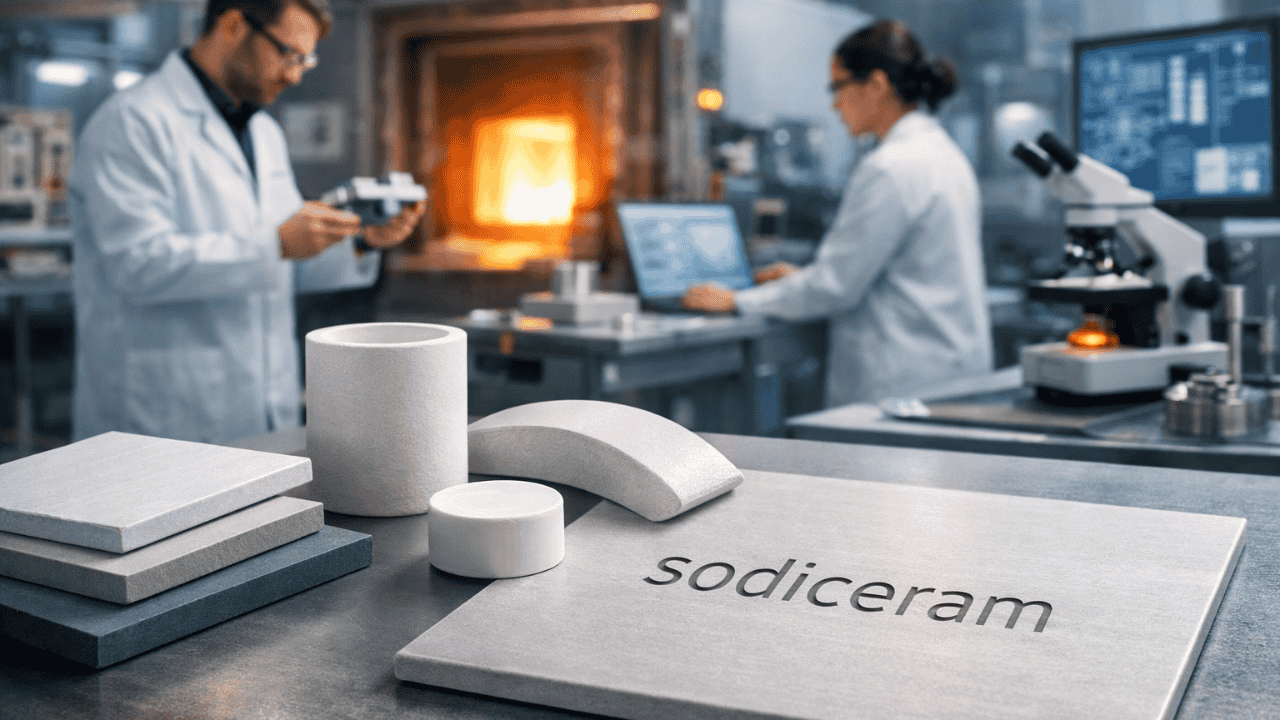
The world of materials is constantly evolving as industries look for stronger, more efficient, and more sustainable solutions. In recent years, sodiceram has emerged as a term used to describe an advanced ceramic concept that blends traditional ceramic knowledge with modern material science. This development reflects a broader shift in manufacturing, design, and engineering, where performance and sustainability must go hand in hand. As demand grows for materials that can withstand extreme conditions while still offering aesthetic flexibility, sodiceram is gaining attention across multiple sectors.
Unlike conventional ceramics that rely mainly on natural clay and basic mineral compositions, sodiceram focuses on improved formulations, often incorporating sodium-based components to enhance physical and chemical properties. This article explores the meaning, composition, benefits, applications, and future potential of sodiceram in a clear and human-friendly way, making it easier to understand why this material is becoming part of modern conversations around innovation.
the concept and meaning behind sodiceram
The idea behind sodiceram is rooted in the evolution of ceramics themselves. Traditional ceramics have been used for thousands of years, from pottery and tiles to bricks and decorative objects. Over time, technological advances have allowed manufacturers to modify ceramic compositions for specific purposes, such as higher heat resistance or improved strength.
Sodiceram represents this modern approach. The term is commonly associated with ceramics that integrate sodium compounds during production. Sodium acts as a flux, meaning it helps materials melt and bond at lower temperatures. This adjustment allows for better control over density, surface finish, and internal structure, which directly affects how the ceramic performs in real-world conditions. As a result, sodiceram is often described as a refined or next-generation ceramic rather than a completely separate material.
how sodiceram is developed and processed
The development of sodiceram begins with carefully selected raw materials. These typically include traditional ceramic ingredients such as clay, silica, alumina, and other minerals. Sodium-based compounds are then added in controlled amounts to influence the firing process and final characteristics.
During firing, the presence of sodium helps particles fuse more evenly. This leads to a denser structure with fewer internal flaws. Manufacturers can also adjust firing temperatures and cooling rates to achieve specific results, such as increased hardness or improved thermal stability. Compared to standard ceramics, sodiceram often requires more precise control during production, but the outcome is a more consistent and reliable material.
Key steps in the process usually include:
- selection and preparation of raw materials
- precise mixing and formulation
- shaping through molding or pressing
- controlled firing and cooling
- surface finishing and quality testing
Each step contributes to the final performance of sodiceram, making the production process as important as the materials themselves.
physical and chemical properties of sodiceram
One of the main reasons sodiceram is gaining attention is its enhanced set of properties. While exact characteristics can vary depending on formulation and use, several general advantages are often highlighted.
Sodiceram tends to show improved mechanical strength compared to many traditional ceramics. This means it is more resistant to cracking, chipping, and wear over time. Its dense structure also improves chemical resistance, allowing it to maintain integrity when exposed to harsh environments.
Thermal performance is another important feature. Sodiceram can handle high temperatures and sudden temperature changes more effectively, which reduces the risk of thermal shock. This makes it suitable for environments where heat management is critical.
Commonly noted properties include:
- higher durability and longer lifespan
- improved resistance to heat and thermal stress
- better chemical stability
- smoother and more customizable surface finishes
- balanced strength without excessive weight
These qualities help explain why sodiceram is being explored in both decorative and industrial contexts.
applications of sodiceram in modern industries
Sodiceram is not limited to one specific use. Its versatility allows it to fit into a wide range of industries, each benefiting from its performance characteristics.
In architecture and interior design, sodiceram is valued for its combination of strength and visual appeal. It can be used for tiles, wall panels, countertops, and flooring, especially in spaces that demand durability without sacrificing style. Designers appreciate the ability to achieve different textures and finishes while maintaining consistent quality.
In industrial and engineering settings, sodiceram is used where traditional materials may fail. Components exposed to high heat, friction, or chemicals benefit from its stability. This includes applications in energy systems, manufacturing equipment, and specialized machinery.
The electronics sector also finds value in sodiceram due to its insulating properties and heat resistance. Ceramic substrates, housings, and protective components can perform reliably even under demanding conditions.
Across these industries, sodiceram supports innovation by offering a balance between performance and adaptability.
sustainability and environmental considerations
Sustainability has become a key factor in material selection, and sodiceram aligns with this growing priority. One of its advantages lies in the production process. Because sodium compounds help lower firing temperatures, energy consumption during manufacturing can be reduced. Lower energy use often translates into a smaller environmental footprint.
In addition, the durability of sodiceram means products made from it tend to last longer. Longer lifespans reduce the need for frequent replacements, which in turn lowers material waste. Some production methods also allow for the reuse or recycling of ceramic waste, further supporting sustainable practices.
Environmental benefits often associated with sodiceram include:
- reduced energy use during firing
- longer product life cycles
- lower maintenance requirements
- potential for waste reduction and recycling
These factors make sodiceram appealing to industries aiming to meet environmental standards without compromising on quality.
comparison between sodiceram and traditional ceramics
Understanding sodiceram is easier when it is compared with traditional ceramics. While both share similar origins, their performance and applications can differ significantly.
Traditional ceramics are often more porous and may require higher firing temperatures to achieve strength. They are well suited for everyday uses but can struggle in extreme environments. Sodiceram, on the other hand, is designed with performance optimization in mind. Its controlled composition results in improved density and resistance.
Cost can vary depending on formulation and scale of production. Sodiceram may be more expensive initially, but its durability and lower maintenance needs can offer better long-term value.
In summary, sodiceram builds upon the foundation of traditional ceramics while addressing many of their limitations.
future trends and innovation around sodiceram
The future of sodiceram looks promising as research continues into advanced ceramics and material science. Ongoing innovation focuses on refining compositions, improving manufacturing efficiency, and expanding application areas.
As industries move toward smarter and more sustainable solutions, sodiceram is likely to play a role in emerging technologies. From advanced construction materials to high-performance industrial components, its adaptability supports continued experimentation and development.
Researchers are also exploring ways to combine sodiceram with other advanced materials, potentially creating hybrid solutions that push performance even further.
conclusion
Sodiceram represents a modern approach to ceramic materials, combining traditional knowledge with scientific innovation. Through improved composition, controlled manufacturing, and enhanced performance, sodiceram meets the demands of contemporary industries while supporting sustainability goals. Its strength, thermal stability, and versatility make it suitable for architecture, engineering, electronics, and beyond. As research and development continue, sodiceram is likely to become an even more important part of the material landscape, offering reliable and forward-thinking solutions for the future.
frequently asked questions
What is sodiceram used for
Sodiceram is used in architecture, interior design, industrial components, electronics, and other areas that require durable and heat-resistant ceramic materials.
How is sodiceram different from traditional ceramics
Sodiceram typically includes sodium-based compounds that improve density, strength, and thermal stability compared to many traditional ceramics.
Is sodiceram environmentally friendly
Sodiceram can be more sustainable due to lower firing temperatures, longer product life, and reduced maintenance needs.
Can sodiceram be customized in design
Yes, sodiceram supports a wide range of finishes, textures, and colors, making it suitable for both functional and decorative applications.
Is sodiceram suitable for high-temperature environments
Yes, sodiceram is designed to handle high temperatures and thermal stress, making it ideal for demanding industrial and technical uses.
