
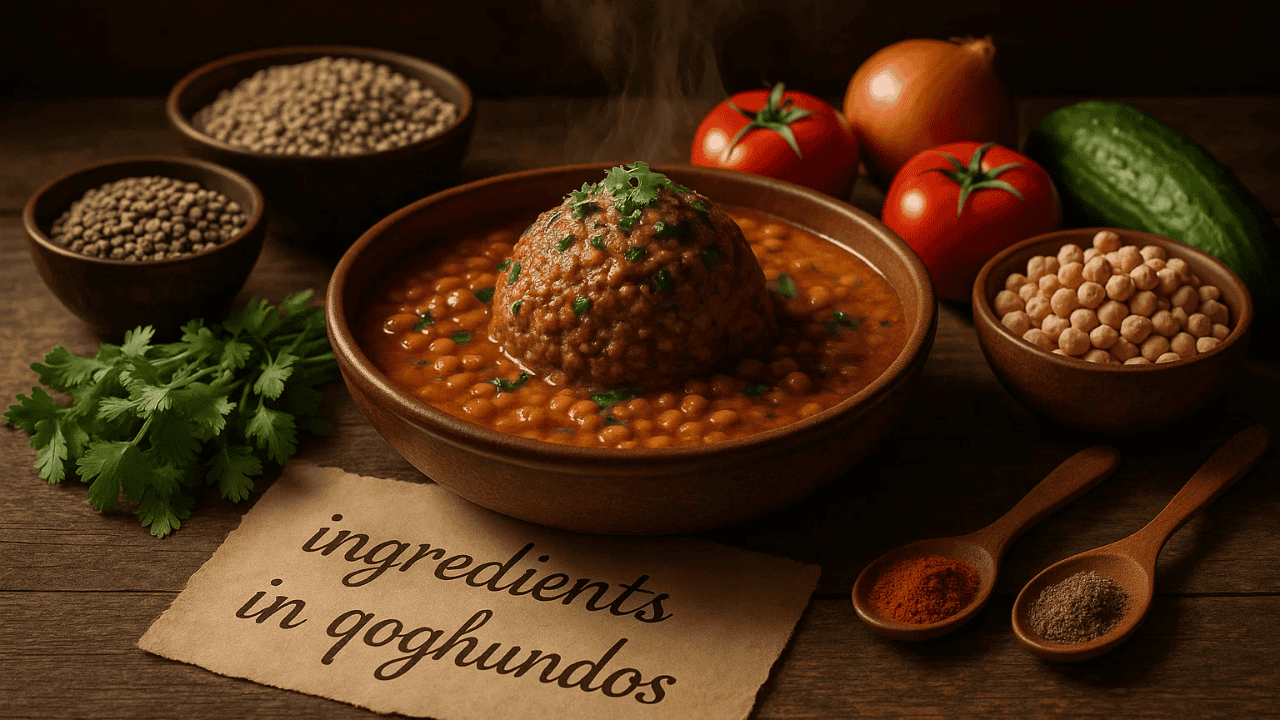
Qoghundos is often described as a comforting, nutrient-rich traditional meal that blends grains, legumes, vegetables, spices, and sometimes meat. Its value lies in its balance, versatility, and cultural significance. Understanding the ingredients in qoghundos helps reveal why this dish has remained cherished across generations and why it continues to gain attention among food enthusiasts today. This guide explores every core component, highlighting its purpose, flavor, and nutritional qualities while maintaining a clear, natural flow of information.
As people seek wholesome meals that combine heritage with nourishment, interest in the ingredients in qoghundos has resurfaced. Whether prepared in a simple homestyle version or a more elaborate festive variant, each element contributes to its depth, aroma, and texture. The following sections break down the building blocks that define the dish and how each part enhances its character and health profile.
Foundation grains that create the base of the dish
A defining feature of qoghundos is its grain foundation, which serves as the structure of the entire meal. The ingredients in qoghundos often begin with grains such as rice, barley, bulgur, or a similar whole grain known within the local region. These ingredients establish the density and comfort associated with the dish.
Grains provide:
• A source of complex carbohydrates
• Sustained energy release
• Natural fiber that supports digestion
• A neutral base that absorbs flavors from spices and vegetables
In many cultures, the dish varies by substituting one grain for another depending on availability, making the ingredients in qoghundos adaptable yet consistent in nutritional balance.
Legumes and proteins that enrich the nutritional profile
The next essential category in the ingredients in qoghundos involves legumes or protein sources. Traditional versions use lentils, chickpeas, kidney beans, or similar plant-based proteins. These additions bring heartiness and substance while enhancing the overall nutrient density.
Plant proteins included in the ingredients in qoghundos serve several purposes:
• Increasing fiber content
• Adding protein for muscle health
• Improving satiety
• Providing a creamy or firm texture depending on cooking time
In some regional adaptations, meat is used to create a richer meal. Lamb, beef, or chicken may be incorporated either in chunks or shredded form. These variations allow households to tailor the ingredients in qoghundos according to dietary needs, economic factors, or special occasions.
Vegetables that add color, texture, and essential nutrients
Vegetables play an important role in balancing the warmth and density of the grains and legumes. The ingredients in qoghundos commonly feature carrots, onions, potatoes, leafy greens, seasonal vegetables, or root crops. These components brighten the dish visually and nutritionally.
Vegetables contribute:
• Vitamins and minerals for immune support
• Antioxidants that protect cellular health
• Natural sweetness or earthiness
• Texture contrasts that improve the eating experience
Since vegetables vary across different climates, the ingredients in qoghundos allow for creative flexibility while still preserving its traditional essence.
Aromatic spices that define the flavor identity
One of the most defining aspects of qoghundos is its aroma, which comes from the blend of spices used. The ingredients in qoghundos often include turmeric, cumin, coriander, black pepper, and regional herbs. These elements create warmth and depth without overwhelming the natural flavors of the grains and vegetables.
Spices in the dish serve key purposes:
• Enhancing scent and taste
• Adding natural anti-inflammatory properties
• Supporting digestion
• Creating a balanced flavor profile
Some variations introduce dried herbs or local spice blends, allowing the ingredients in qoghundos to reflect cultural identity and local taste preferences.
Optional additions that elevate the dish
Beyond the core ingredients, many cooks personalize the dish with optional components. The ingredients in qoghundos may include nuts, seeds, fresh herbs, dried fruits, or yogurt served on the side. These touches elevate the presentation and nutritional richness.
Examples of optional add-ins:
• Toasted nuts for crunch
• Fresh parsley or cilantro for brightness
• Seeds such as sesame or flax for additional nutrients
• Raisins or apricots for a sweet contrast
These enhancements make the ingredients in qoghundos compatible with modern interpretations while preserving its authenticity.
Nutritional significance of the combined elements
The strength of this traditional dish lies in how perfectly the ingredients work together. The ingredients in qoghundos are naturally balanced, offering a blend of carbohydrates, proteins, healthy fats, fiber, and micronutrients.
Nutritional advantages of the combined ingredients:
• Balanced macronutrients suitable for everyday meals
• High fiber content that supports digestion and fullness
• Sustained energy due to slow-release carbohydrates
• A variety of vitamins and minerals from vegetables and spices
• Antioxidant benefits from herbs and spices
This makes qoghundos suitable for families, festive gatherings, and individuals seeking nourishing home-cooked meals.
Cultural meaning behind the traditional composition
Beyond flavor and nutrition, the ingredients in qoghundos hold cultural importance. They reflect agricultural traditions, seasonal availability, and communal cooking practices. In many communities, preparing the dish is an act of sharing, celebration, and honoring heritage.
Cultural aspects reflected in the ingredients:
• Use of locally grown grains and legumes
• Spices that reflect trade routes and historical influence
• Seasonal vegetables that shape regional identity
• Cooking methods passed down through generations
Understanding the ingredients in qoghundos allows one to appreciate not just the dish itself but the history and values embedded within it.
How variations develop while keeping the core intact
Modern households often experiment with the ingredients, leading to vegetarian versions, protein-heavy versions, or lighter adaptations. Despite variations, the essential character of the dish remains recognizable because the ingredients in qoghundos maintain a consistent framework built on grains, legumes, and aromatic spices.
Some common reasons for variation include:
• Availability of local produce
• Personal taste preferences
• Dietary restrictions
• Cultural fusion in contemporary kitchens
This adaptability ensures that the ingredients in qoghundos remain relevant even as culinary trends evolve.
Conclusion
The ingredients in qoghundos work together to create a well-rounded, flavorful, and culturally meaningful dish. Grains, legumes, vegetables, and spices form the heart of the meal, while optional additions allow personalization. Understanding the ingredients in qoghundos provides insight into its nutritional strengths, its cultural roots, and its lasting appeal. As people continue exploring wholesome, traditional foods, the ingredients in qoghundos stand out as a timeless representation of nourishment, heritage, and versatility.
FAQs
- What are the primary ingredients in qoghundos?
The primary ingredients include grains, legumes, vegetables, and spices, forming a balanced traditional dish. - Are the ingredients in qoghundos vegetarian?
They can be completely vegetarian, although some variations include meat. - Why are grains important in the ingredients in qoghundos?
Grains provide structure, energy, and fiber while absorbing flavors from the other components. - Do spices play a major role in the ingredients in qoghundos?
Yes, spices shape the aroma, depth, and overall flavor profile of the dish. - Can the ingredients in qoghundos be customized?
Yes, optional additions such as nuts, herbs, or meats allow cooks to tailor the dish to their taste.
