
Introduction
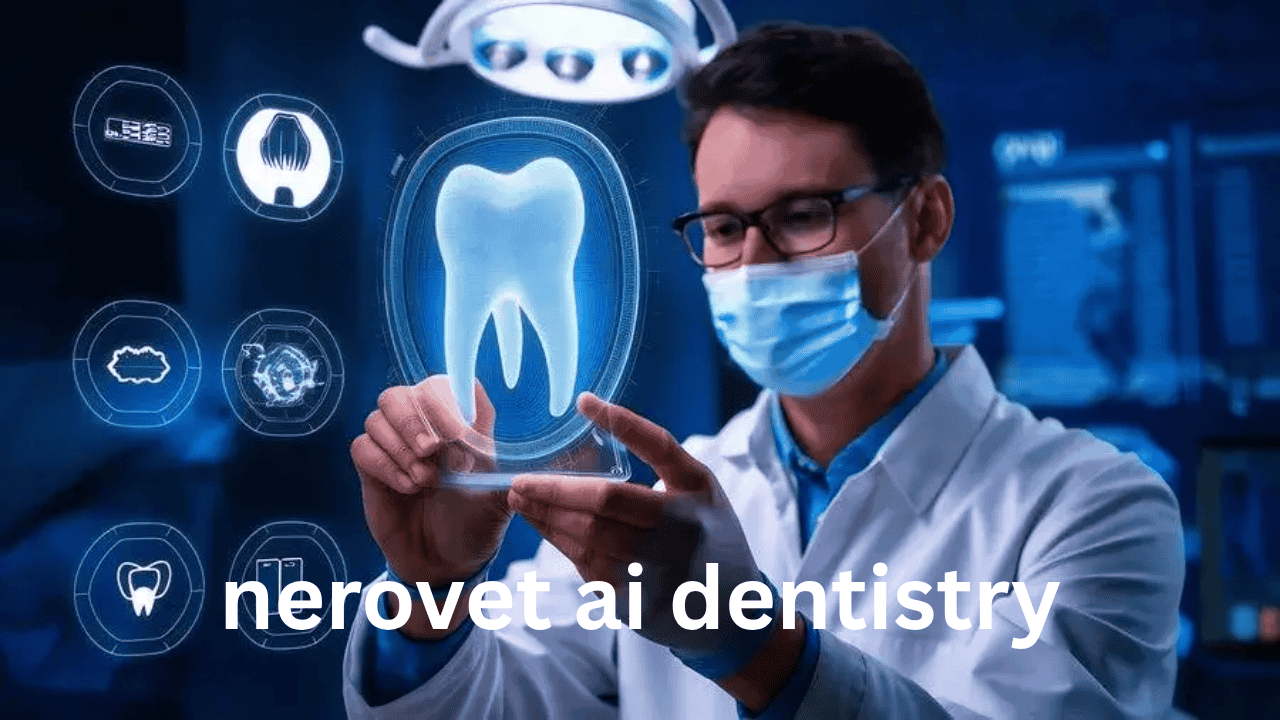
nerovet ai dentistry is an emerging clinical tool that promises faster image interpretation, clearer patient communication, and more consistent treatment planning for dental teams. This article explains what nerovet ai dentistry does, how practices might use it in everyday workflows, the benefits and limitations practices should weigh, and practical questions patients can ask when a clinic offers the technology. The goal is to give you an evidence-based, readable resource you can use if you are writing for a blog or preparing patient education.
1. What nerovet ai dentistry actually is and what it claims to do
At a basic level, nerovet ai dentistry refers to a software platform that analyzes dental images and clinical records to highlight possible problems and propose treatment paths. Vendors say the system can review X-rays, scans, and intra-oral photos in seconds, flag small cavities and bone changes, and generate visual overlays that help clinicians explain conditions to patients. Multiple recent writeups describe it as a tool designed to speed up diagnosis and reduce human variability in image reading. livemag.org.uk+1
What this means in practice: a practice uploads an image, the system returns an annotated image and a suggested course of action, and the dentist reviews those suggestions before talking with the patient. The platform is positioned as a second pair of eyes rather than a replacement for professional judgment. Tech Dentro
2. Core features and how clinics can use nerovet ai dentistry
Typical features described by publishers include:
- rapid image analysis of bitewings, panoramic X-rays and CBCT slices;
- color-coded overlays that mark suspected caries, fractures and bone loss;
- suggested treatment options and progression visualisations for patient conversations;
- dashboards that track images over time to monitor change.
A standard workflow example:
- capture images during the visit;
- upload images to the platform;
- review suggested findings and adjust as needed;
- show annotated visuals to the patient and agree treatment;
- archive the annotated record for follow-up.
Reports indicate that many clinics adopt the system to shorten review time and to help less experienced staff with preliminary screening. The platform is also marketed as a training aid for students and hygienists. GadeDetKit+1
3. Benefits clinics and patients can realistically expect
For clinics:
- more consistent screening across staff members;
- quicker preliminary reads that free time for clinical tasks;
- visual aids that make it easier to present findings and treatment options.
For patients:
- clearer explanations with annotated images;
- potential earlier detection of small issues before they become larger problems;
- a record that shows progression and supports preventive decisions.
Several product summaries cite improved speed and a high detection rate in vendor materials; clinics that combine the platform with careful clinical review can use it to strengthen preventive care programs. WebTechCrunch+1
4. Limitations, evidence and practical cautions
Despite the optimistic messaging, independent verification is essential. Critical reviews note that some marketing claims are not backed by peer-reviewed clinical trials or regulatory approvals in every jurisdiction. That means clinics should treat the platform as a decision support tool and not as definitive proof of disease or absence of disease. flashflyermagazine.com
Practical cautions:
- confirm how image data are stored and whether the platform meets local privacy regulations;
- get clarity on clinical validation, false positive and false negative rates, and how those figures were measured;
- ensure staff training emphasises human clinical oversight;
- budget for integration, training and potential changes in workflow.
5. Common use cases and examples to include in a blog post
If you are writing for a blog, practical, clinic-facing examples help readers visualise value:
- a short case where a small interproximal lesion was highlighted early and treated conservatively;
- before/after progression visuals used to explain periodontal therapy to a worried owner or patient;
- time-saved statistics comparing manual reads to platform-assisted reads over a week.
When you reference examples, be explicit that results vary with imaging quality, operator technique, and the clinician’s final interpretation. Latest Throw
6. Questions patients should ask a clinic using nerovet ai dentistry
Patients benefit from straightforward questions that reveal how the tool is used:
- will my images be reviewed by a clinician in addition to the software?
- how is my data stored and who can access it?
- has the clinic validated this tool in real patients and can they show outcomes?
- will the use of this tool change treatment cost or options?
These questions help ensure patients understand the technology’s role: support for clinicians, not a substitute.
7. Editorial angles and blog topic suggestions
Here are focused article ideas you can use on a blog website:
- How nerovet ai dentistry changes the patient consultation (walkthrough with visuals).
- A balanced review: benefits, costs and evidence behind nerovet ai dentistry.
- Checklist for clinics: what to evaluate before adopting nerovet ai dentistry.
- Preventive dentistry and early detection: practical gains from nerovet ai dentistry in routine care.
- Patient primer: what nerovet ai dentistry does and what it does not do.
Each angle can be framed for either patients or clinicians; a comparative piece that lists pros and cons is especially useful for SEO and reader trust.
8. Ethical, privacy and regulatory considerations
Any practice adopting new imaging tools should assess:
- compliance with local privacy laws and secure data handling;
- whether the vendor performs regular security audits;
- clarity around liability when software suggestions are acted upon;
- staff training and documentation that preserve professional responsibility.
Regulatory landscapes differ by country, and public-facing materials should avoid overstating clinical performance unless backed by independent studies. flashflyermagazine.com
Conclusion
nerovet ai dentistry represents a fast-moving point of innovation in dental imaging and practice workflows. It offers clear potential to speed screening, improve patient communication, and support preventive care, but its real value depends on careful clinical integration, documented validation, and strong data governance. For writers, the strongest articles will combine product features with critical appraisal, clear workflow examples, and practical questions both clinics and patients can use when evaluating the technology. Use case stories, comparison checklists and patient question guides make the topic approachable, trustworthy, and highly shareable on a blog site.
